

That dull ache at the back of your mouth? You’ve probably been ignoring it for a while. You rinse with salt water, take a painkiller, and hope it goes away. But it keeps coming back — and now you’re Googling “wisdom teeth removal Darwin” late at night wondering if it’s finally time to do something about it.
You’re far from alone. Australian government health data shows that in 2022–23, surgical tooth removal was the single most common dental procedure performed across the country — with approximately 149,000 procedures recorded that year alone, a significant proportion of which involve wisdom teeth.
If you’re in Darwin or the surrounding region, this guide walks you through everything — from what’s actually happening inside your jaw, to what sedation options are available locally, to what your recovery will genuinely look like day by day.
What Are Wisdom Teeth, and Why Do They Cause So Much Trouble?
Wisdom teeth — or third molars — are the last teeth to emerge, typically appearing between the ages of 17 and 25. For our ancestors, who ate coarse, unprocessed food, these extra molars were genuinely useful. For modern humans with smaller jaws and softer diets, they’re often an unwelcome surprise.
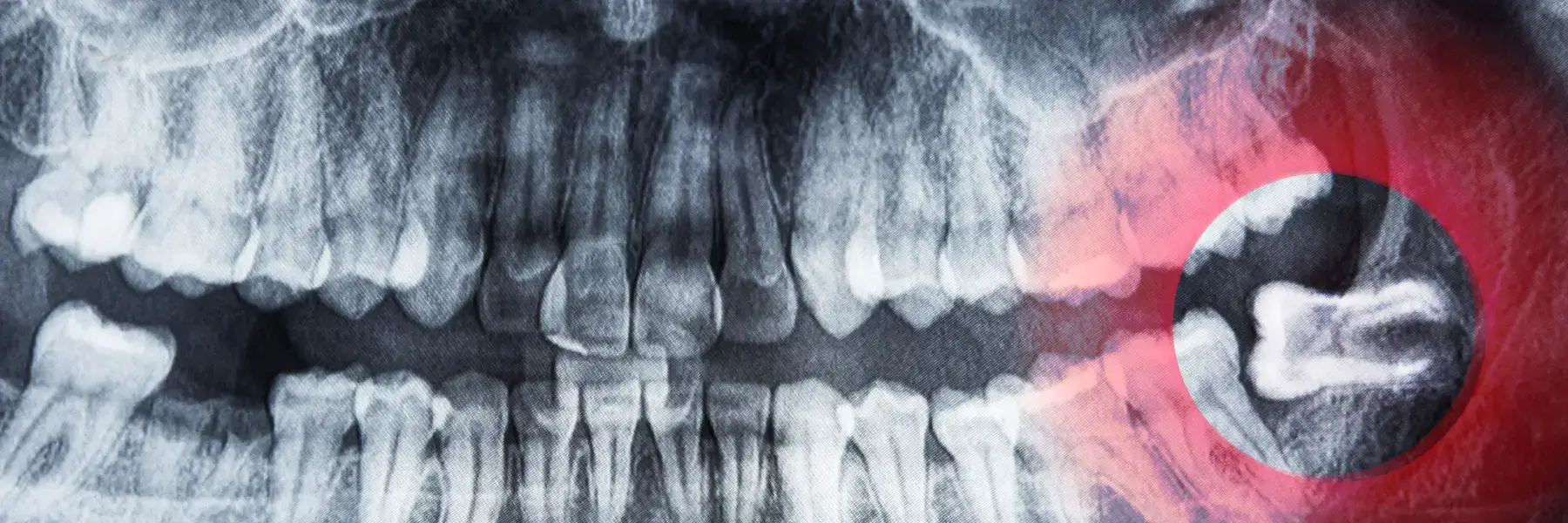
The two main scenarios your dentist will assess are:
- Erupted wisdom teeth — the tooth has broken through the gum fully but may sit at an awkward angle, making it hard to clean and vulnerable to decay or gum disease.
- Impacted wisdom teeth — the tooth is partially or fully trapped beneath the gum or jawbone, unable to emerge properly. These are the ones that typically cause the most grief.
Left untreated, impacted third molars can quietly damage the teeth beside them — sometimes to the point where those neighbouring teeth need restorative treatment such as crowns or fillings to repair the harm. Getting on top of wisdom tooth issues early is almost always the simpler, less costly path.
Not everyone needs their wisdom teeth removed. If yours have come through straight, fit comfortably, and can be kept clean, your dentist may simply recommend monitoring them. But many people — particularly here in the Top End, where access to regular preventive care can be inconsistent — arrive at the clinic with problems that have been quietly building for months.
Signs It May Be Time for a Consultation
Don’t wait until you’re in agony. The earlier a problem is caught, the simpler the solution tends to be. Book an assessment if you notice any of the following:
- Persistent pain or pressure at the back of your mouth, especially around the jaw hinge
- Swelling or tenderness in the gum tissue behind your last visible molar
- Difficulty opening your mouth fully, or jaw stiffness that doesn’t ease up
- Bad breath or an unpleasant taste that doesn’t improve with brushing — a common sign of infection
- Crowding or shifting of your other teeth, particularly your front teeth
- Pericoronitis — a localised infection of the gum flap sitting over a partially erupted wisdom tooth, which can cause significant pain, swelling, and even fever if left untreated
It’s worth noting that crowding caused by wisdom tooth pressure can sometimes affect your bite and the alignment of your teeth over time. If that’s something you’ve been noticing, our team can also discuss orthodontic options as part of your broader treatment plan.
If your symptoms are sudden or severe, don’t wait for a routine appointment. Our emergency dental care service is available so you’re never left managing acute pain on your own — we also offer after-hours appointments for exactly these moments.
What Happens at Your Consultation?
Your first appointment is a fact-finding mission — for both you and your dentist. Here’s what to expect:
- Clinical examination — the dentist will assess your gums visually, check the position of erupted teeth, and feel for any swelling or tenderness.
- Dental X-rays and OPG scan — an Orthopantomogram (OPG) is a panoramic X-ray that captures your entire jaw, including teeth still beneath the bone. It shows the precise angle of your impacted third molars, their proximity to the inferior alveolar nerve, and the density of surrounding bone — all essential for safe treatment planning.
- Personalised treatment planning — your dentist will walk through your options clearly, including whether a simple extraction or surgical removal is appropriate, and which sedation method suits you best.
There’s no pressure to commit to anything at this stage. A good consultation is a conversation, not a sales pitch.
Simple Extraction vs. Surgical Removal — What’s the Difference?
The approach depends entirely on the position of your wisdom tooth.
Simple extraction is used when the tooth has fully erupted and the roots are straightforward. Using local anaesthetic, the dentist loosens the tooth and removes it with forceps. It’s often quicker than patients expect.
Surgical removal is required when a tooth is partially or fully impacted beneath the gum or bone. The dentist makes a small incision, may remove a small amount of bone, and often sections the tooth into pieces for easier removal. While this sounds daunting, with proper anaesthesia it’s a well-tolerated, routine procedure. Dissolvable stitches are placed to close the site.
Your dentist will always take the least invasive approach possible — and will factor in the overall health of your surrounding teeth and gums. If there’s existing decay nearby, that can often be addressed through restorative dental care at the same time, so you’re not making multiple separate trips.
Sedation and Anaesthesia Options in Darwin
Dental anxiety is real and very common — and you have genuine options when it comes to your comfort:
- Local anaesthesia — numbs the treatment area completely. You’re awake and aware, but you won’t feel pain. Suitable for most straightforward extractions.
- Oral sedation — a prescribed tablet taken before your appointment that reduces anxiety and helps you relax while staying conscious.
- IV (intravenous) sedation — delivers a deeper state of relaxation directly into the bloodstream. You remain technically conscious but will have little to no memory of the procedure. An excellent option for more complex surgical removals or patients with significant dental phobia.
- General anaesthesia — administered in a hospital or day-surgery setting, placing you fully unconscious. Typically reserved for very complex cases or patients having multiple impacted teeth removed at once.
Your dentist will discuss which option suits your situation, health history, and the complexity of your procedure. If you’ve avoided the dentist for years because of anxiety, please don’t let that stop you — this is something we handle with care and without judgement every single day.
Day-by-Day Recovery: What to Genuinely Expect

Recovery is where most people have the most questions. Here’s an honest, practical breakdown:
Day 1 — The first few hours: Numbness fades gradually. Bite gently on gauze to manage bleeding, rest with your head elevated, and avoid touching the extraction site. Cold packs against your cheek (20 minutes on, 20 off) help keep swelling down.
Days 1–3 — Peak discomfort: Swelling typically peaks around 48–72 hours. Take any prescribed pain relief as directed. Stick to soft foods — yoghurt, mashed potato, scrambled eggs, smoothies. Avoid straws — the suction can dislodge the blood clot forming in the socket, causing a painful condition called dry socket.
Days 3–5 — Turning the corner: Swelling starts to ease. Many people return to light work or study around this point, though everyone’s different. Keep avoiding hard, crunchy, or spicy foods.
Days 7–10 — Healing well underway: Dissolvable stitches begin to break down. The socket continues to close over with new tissue. Most patients feel close to normal by the end of the first week, with full healing taking three to four weeks.
Watch for warning signs — worsening pain after day three (possible dry socket), fever, or unusual discharge. Contact your dentist promptly if any of these occur.
Key aftercare reminders:
- Rinse gently with warm saltwater from 24 hours post-procedure — not before
- No smoking, which dramatically increases dry socket risk
- Avoid vigorous rinsing, spitting, or using straws for at least 72 hours
- Brush gently around the site and keep the rest of your mouth clean
- Attend your follow-up appointment as scheduled
Once you’re fully healed, many patients find it’s a great time to focus on the rest of their smile. Whether that’s a professional teeth whitening treatment to brighten things up, or porcelain or composite veneers for a longer-lasting refresh — your dentist can help you plan ahead. If wisdom tooth issues have also affected your gum health, our team can assess whether any gum disease treatment or broader oral health care is worth addressing while you’re at it.
It’s also worth checking your private health cover. Many funds contribute toward both the extraction and follow-up treatments you may not realise are included. Our guide on what dental insurance typically covers is a useful starting point.
About Acacia Dental Surgery, Coolalinga
Acacia Dental Surgery is based in Coolalinga, Darwin NT — easy to reach for residents across Darwin, Palmerston, Humpty Doo, Howard Springs, and Zuccoli.
We’re a full-service family dental clinic with experienced dentists, advanced imaging technology, and multiple sedation options — all under one roof. We hold preferred provider status with major health funds including BUPA and Medibank Private, so your out-of-pocket costs stay as low as possible. And because dental pain doesn’t follow business hours, we offer emergency and after-hours appointments when you need us most.
Most importantly, we take the time to explain what’s happening and what your options are — clearly, calmly, and without pressure.
Ready to Stop Wondering and Start Knowing?
If you’ve been putting off that consultation — whether because of anxiety, cost concerns, or simply hoping the discomfort would ease on its own — this is your nudge to take the first step.
A wisdom tooth assessment at Acacia Dental Surgery is a relaxed, no-obligation appointment. We’ll take a proper look, explain exactly what’s going on, and walk through your options at your own pace.
Contact us. Because Your comfort — and your long-term oral health — matters to us.
Frequently Asked Questions
Q: How do I know if my wisdom teeth need to be removed? Signs include persistent jaw pain, swollen gums at the back of the mouth, difficulty opening your jaw, or recurring infection. A dental X-ray and clinical assessment is the only reliable way to confirm whether removal is necessary.
Q: Is wisdom teeth removal painful? With appropriate local anaesthesia or sedation, the procedure itself should be painless. Some discomfort and swelling in the days following is normal and manageable with prescribed or over-the-counter pain relief.
Q: How long does recovery from wisdom teeth removal take? Most patients feel significantly better within five to seven days. Full healing of the socket typically takes three to four weeks, though this varies depending on the complexity of the extraction.