Oral Cancer Screening. Caught Early. Treated Simply.

Are you aware of the importance of Oral Cancer Screening? Look out for signs of lips, gums, and tongue cancer, and get to know about treatments!

Protect Your Mouth and Beat Oral Cancer

Oral or mouth cancer is one of the fastest-growing cancers in the country. With Oral Cancer Screening, you can get a simple check-up by an experienced doctor or dentist to identify any risk of cancer or precancerous conditions in your mouth while they are still in the early stages.
Early detection and treatment of oral cancer can mean a greater chance of successful recovery. Therefore, it is crucial to be aware of the warning signs of oral cancer and visit your dentist if you notice any changes in your mouth.

The Mouth Changes That Should Not Be Ignored

Most early-stage oral cancer is painless, which is why people miss it. Your dentist at Acacia Dental Surgery knows exactly what to look for.

Tell your dentist immediately if you notice any of the following:

Risk Factors Your Dentist Needs to Know About

Certain habits and health histories raise your risk of developing oral cavity cancer. Being upfront about these helps your dentist assess you accurately.

  • Tobacco use: Smoking and chewing tobacco are the most significant risk factors. Tobacco users face a risk several times higher than non-users.
  • Alcohol: Regular heavy drinking and tobacco use together multiply the risk considerably more than either alone.
  • HPV infection: Human papillomavirus, particularly HPV-16, is now linked to a rising number of oropharyngeal cancers in adults under 50.
  • Age and sex: The risk increases after age 40. Men develop oral cancer at roughly twice the rate of women.
  • Sun exposure on the lips: UV radiation raises the risk of lip cancer specifically, even in patients with no other risk factors.
  • Diet: A diet consistently low in fresh fruit and vegetables reduces your body’s ability to repair cell damage over time.
  • Family history and genetics: Inherited genetic mutations increase susceptibility to several cancer types, including those affecting the oral cavity.

Even patients with no known risk factors benefit from a routine mouth cancer check at every dental visit.
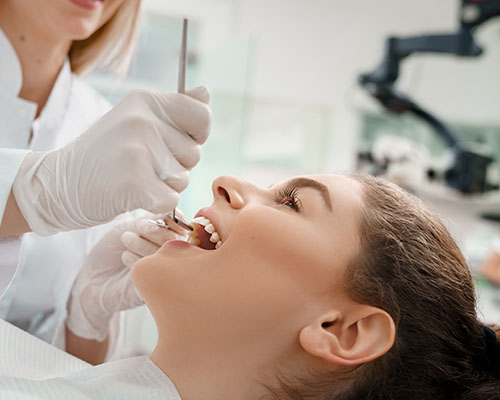

Studies have shown that oral cancer screening can lead to a higher chance of survival rate of up to 85%.
Experts recommend that high-risk patients get screened annually for head and neck cancers. Regular cancer screening is vital for catching any cancers early on, and oral cancer screening is no exception.

Oral cancer screening tests can range from a physical exam using handheld tools to check the mouth area to DNA testing of blood or tissue samples. All of these tests are designed to detect cancer in the earlier stages, making it easier to treat the disease.
Early detection tests make removing cancerous growth easier and give doctors a better chance of treating cancer without surgery or more invasive treatments like chemotherapy.


Do not let cancer catch you by surprise. Get checked ASAP!
If you are looking for an Oral Cancer Screening service in Coolalinga, Darwin, Palmerston, Humpty doo, and Howard Springs, look no further!

Early Detection is Key to Effective Treatment

Beyond Teeth​ - teeth whitening

Inside an Oral Cancer Screening at Acacia Dental Surgery

The exam is part of your regular dental check-up and adds only a few minutes to your appointment.

Your dentist will:

01

Inspect the lips, gums, tongue, inner cheeks, roof of the mouth, and the back of the throat visually.

01
02

Feel along the jaw and neck for enlarged lymph nodes or any tissue changes below the surface.

02
03

Check for changes in colour, texture, shape, or size of any area inside the mouth.

03
03

Ask about any symptoms you have noticed, including how long they have been present.

03

If anything needs a closer look, your dentist will explain the next step clearly. This may involve monitoring the area over a few weeks or a referral for a biopsy if needed.

Benefit from Medical Insurances in Acacia Dental Surgery

As a dental clinic, we want to inform you that some private health funds have developed their own network of Preferred Providers or Members Providers or Members Choice Providers, which include BUPA (MBF & HBA are now part of this group) and Medibank Private.

Acacia Dental Surgery has been chosen as a preferred provider by many of Australia’s health funds, meaning you can enjoy maximum savings on your dental treatments.

We Are Preferred Providers For​​

Smile

*By utilizing the health funds mentioned above, you are able to access your rebate after receiving treatment, while you can also benefit from up to two free treatments per year (look up your health fund website to see what these treatments are).

We Help You Dazzle Your Friends With a Brighter Smile!

Having properly aligned teeth is one thing; having white and pearly teeth is different in aesthetics. Many home remedies and over-the-counter whitening treatments from social media promise great results to whiten teeth naturally, but only at Acacia Clinic will you find a near-permanent, most effective teeth whitening treatment. So be careful not to fall victim to fake teeth whitening magic solution advertisements!


We are offering teeth whitening in Australia. If you are looking for dental whitening services in Coolalinga, Darwin, Palmerston, Humpty doo, or the Howard Springs area, give us a call.

Frequently Asked Questions

Your dentist does this as part of your regular dental examination. The check itself takes only a few additional minutes and requires no preparation on your part.

  • Your dentist visually inspects the lips, tongue, gums, inner cheeks, the roof of the mouth, and the back of the throat.
  • They feel along the jaw and neck for any tissue changes or enlarged lymph nodes.
  • They check for colour changes, unusual textures, sores, or lumps that do not belong.
  • If anything looks suspicious, they discuss the next step with you before ending the appointment.
  • No needles, instruments, or special solutions are needed for a standard visual screening.

Telling your dentist about any symptoms you have noticed, even minor ones, makes the screening more thorough.

You do not need to prepare for the screening itself, but sharing relevant information makes it more accurate. Let your dentist know if you smoke or use tobacco products, how much alcohol you drink on average per week, whether you have had an HPV diagnosis, and whether anyone in your family has had oral or throat cancer. This background helps your dentist assess your level of risk and decide how closely to examine specific areas.

Also mention any changes you have already noticed, including persistent sores, unusual patches, sensitivity, or a feeling that something is not quite right in your mouth or throat. Describing how long the symptom has been present is especially useful. The more detail you share, the more targeted and thorough your assessment at Acacia Dental Surgery will be.

The standard exam involves no pain at all. It is a visual and physical check of the mouth and surrounding tissue, not a procedure.

  • Your dentist uses their eyes and gloved hands to inspect the area.
  • Pressing gently along the jaw and neck to feel for swelling is a normal part of the exam.
  • Some patients feel mild pressure during the neck palpation, but this is not painful.
  • If additional testing is needed after the exam, your dentist explains that separately before proceeding.

Discomfort during a standard screening is not expected. If you feel pain, let your dentist know straight away.

For most adult patients, an oral cancer check once a year is appropriate and is typically performed during your regular dental examination. You do not need to book a separate appointment for this at Acacia Dental Surgery. If you use tobacco, drink alcohol regularly, or have had any prior abnormal findings in the mouth, your dentist may recommend more frequent checks based on your individual circumstances.

High-risk patients, including those with a history of treated oral or oropharyngeal cancer, should discuss a personalised monitoring schedule with both their dentist and their GP. A combined approach between your dental and medical team gives you the most complete level of surveillance.

Certain groups face a statistically higher risk and benefit most from annual screening. Knowing your risk profile helps your dentist prioritise your care.

  • Tobacco users, including smokers and those who chew tobacco, face a significantly elevated risk.
  • People who drink alcohol heavily and regularly, especially in combination with tobacco, are at high risk.
  • Adults with a confirmed HPV infection, particularly HPV-16, face rising rates of oropharyngeal cancer.
  • Men over the age of 40 represent the majority of oral cancer cases in Australia.
  • Patients with a history of head and neck cancer need ongoing monitoring even after successful treatment.

Even patients who do not fit these categories benefit from a routine mouth cancer check at each dental visit.

Oral cancer refers to malignancies that start in the oral cavity, which includes the lips, tongue, gums, the floor and roof of the mouth, and the inner cheeks. Oropharyngeal cancer starts deeper, in the oropharynx, which covers the base of the tongue, the tonsils, and the soft palate. Both types fall under the broader category of head and neck cancers, and their symptoms often overlap in the early stages.

The distinction matters because the risk factors and preferred treatment approaches differ between the two. HPV is more strongly linked to oropharyngeal cancer, while tobacco and alcohol are more strongly associated with oral cavity cancer. During your screening at Acacia Dental Surgery, your dentist checks both areas as part of a thorough visual and physical examination.

Finding an abnormal area is not an immediate cancer diagnosis. Your dentist at Acacia Dental Surgery follows a clear process before drawing any conclusions.

  • Small lesions or minor tissue changes are often monitored over two to four weeks first.
  • If the area does not resolve on its own, a biopsy referral is the standard next step.
  • A biopsy removes a small tissue sample, which a pathologist examines in a laboratory.
  • Results from a biopsy provide a definitive answer about whether the tissue is benign or malignant.
  • Your dentist will walk you through every step and refer you to the appropriate specialist if needed.

Many findings turn out to be benign conditions such as canker sores or minor trauma from teeth or food.

Acacia Dental Surgery does not bulk bill, as oral cancer screening is a dental service and Medicare does not cover routine dental procedures in Australia. The cost of your screening depends on whether it is included in your standard examination item number or billed separately, which varies depending on what your dentist assesses on the day.

Acacia Dental Surgery is a preferred provider for several major Australian health funds, including Medibank, HCF, Westfund, CBHS, NIB and Smile. Eligible members of these funds may receive a higher rebate on preventive dental services. Contact your fund directly and quote “dental examination” or “preventive dental” to confirm what your level of cover includes.

Starting sooner than most people expect gives you a reliable baseline and makes any future changes easier to detect. The right age depends on your individual risk profile.

  • Adults with no known risk factors benefit from a routine oral cancer check from their mid-20s onwards.
  • Tobacco users should be screened at every dental visit, regardless of age.
  • Heavy drinkers should begin annual dedicated screenings by their early 30s.
  • Patients with a known HPV infection should discuss a personalised screening schedule with their dentist.
  • Anyone over 40 should treat an annual oral cancer screening as a standard part of preventive dental care.

If you are unsure whether your last exam included an oral cancer check, ask your dentist directly at your next visit.

Self-examination between dental visits is a practical habit, but it does not replace a professional screening. Use a mirror and a bright light once a month to inspect the inside of your mouth. Look at the gums, cheeks, the floor and roof of the mouth, and as much of the tongue as you can see comfortably. You are looking for patches that appear white or red, sores that have not healed within two weeks, lumps, or areas that feel thicker or rougher than usual.

If you notice anything that looks or feels different from your last self-check, book an appointment with Acacia Dental Surgery rather than waiting for your next scheduled visit. Early assessment is always more straightforward than dealing with a change that has been present for months. You can reach the clinic on (08) 8983 2780 or book online.