Protect Your Teeth With Timely Gum Disease Treatment

Our Periodontal Diagnostic and Consulting Services

Are you searching for gum disease treatment? Have you been considering treating periodontitis or consulting with a specialist dentist for gum disease?
Look no further; Acacia Dental Surgery Care is here to provide specialised treatments.

Our experienced team of periodontists and specialist dentists expertly diagnose and help you create a personalised treatment plan for whatever stage of gum disease you may face. From dental plaque to more severe periodontal issues.
We are committed to helping you stay on track and maintain a healthy mouth!

Two Main Types of Gum Disease

Gum disease is one of the most common dental problems affecting adults today. It is essential to be aware of the different types available so that a gum infection dentist can treat them before they worsen.

It usually starts as an infection in the gums caused by bacteria, which can be detected and treated during a regular checkup. Depending on the severity of the infection, stage 2 gum disease treatment might include deep cleaning teeth and other procedures to remove the buildup of bacteria causing the infection.

Gum disease progresses in stages. Identifying which stage you are at determines the treatment you need.

Gingivitis

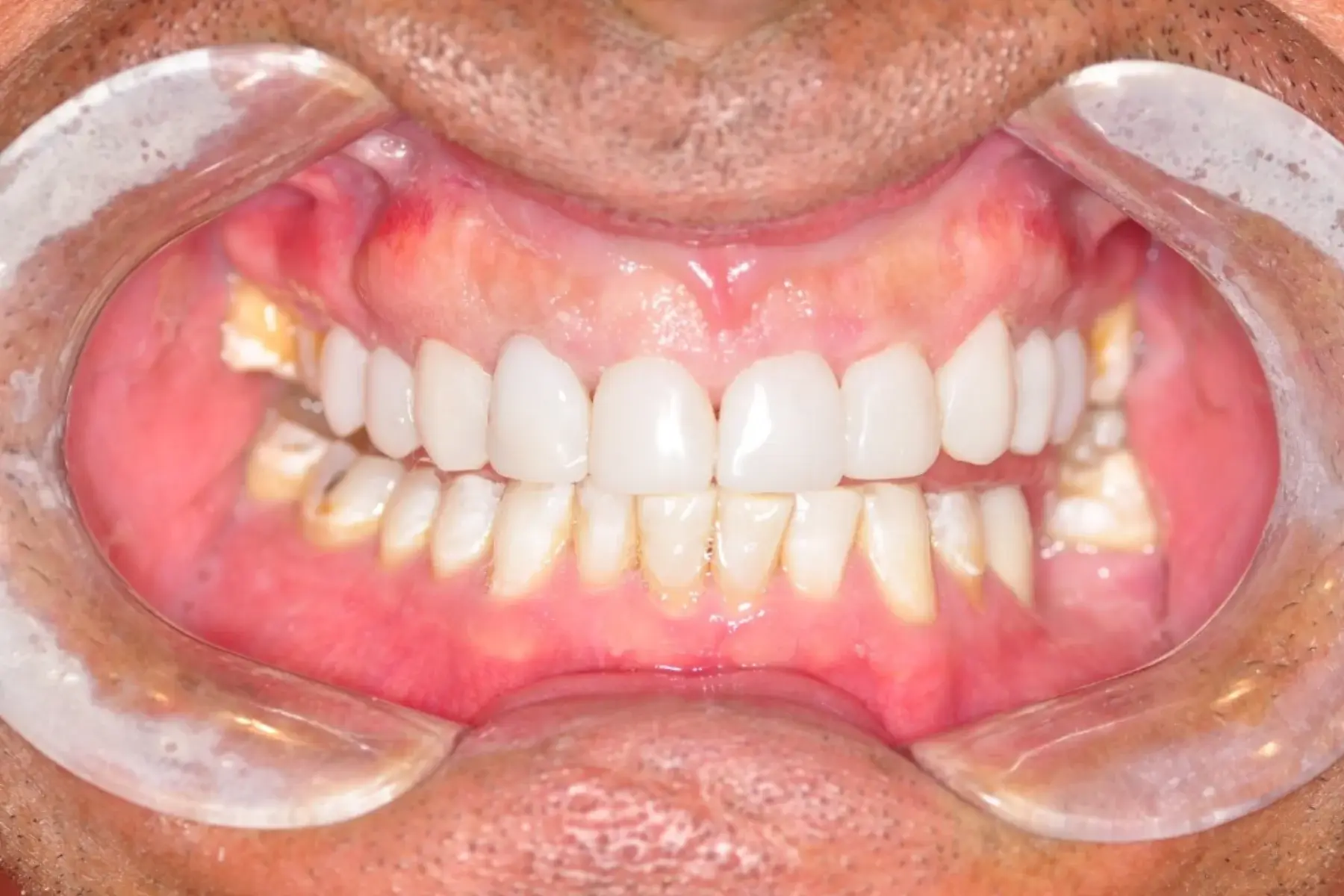
Gingivitis is caused by bacteria growing in the gums. The gum inflammation leads to gum tissue that becomes red, swollen, and easily bleeds. The buildup of plaque around the teeth is usually the cause of Gingivitis. Left untreated, it can spread to other mouth parts and lead to more severe issues.

Periodontitis

It is a type of gum disease that affects the tissues and bones that support teeth and requires advanced gum disease treatment. Periodontitis is caused by bacteria found in plaque buildup that advance under the gum line. It is more severe than gingivitis and can lead to infection, tooth loss, and other health problems.

Signs You May Have Gum Disease

Do not hesitate and call us to learn more about Acacia Dental Surgery Gum Disease Treatments.

If you notice any of the following, book an assessment as soon as possible:

  • Swollen or tender gums
  • A receding gum line or a gum that is pulling away from the teeth
  • A persistent bad taste in the mouth
  • Bad breath (halitosis) that won’t go away
  • Dark red or purplish gums
  • Bleeding gums when you brush or floss
  • Loose teeth
  • Mouth sores
  • A change in your bite or fit of dentures or other dental appliances

Early detection leads to simpler, less costly treatment. Our dentists use clinical examination, periodontal probing, and X-rays to confirm a diagnosis and measure the depth of any gum pockets.

Common Causes of Periodontal Disease

Gum disease is largely preventable when you know what causes it:

  • Plaque buildup from inconsistent brushing and flossing
  • Tobacco use (smoking significantly increases risk and slows healing)
  • Uncontrolled diabetes
  • Hormonal changes (pregnancy, menopause)
  • Certain medications that reduce saliva flow
  • Nutritional deficiencies
  • A family history of gum disease

Non-Surgical Periodontal Treatment

For early to moderate gum disease, non-surgical treatment is effective in most cases.

  • Scale and clean: removes plaque and tartar above and below the gum line
  • Root planing (deep cleaning): smooths the root surface to stop bacteria from reattaching
  • Antibacterial rinses or localised antibiotic therapy
  • Oral hygiene instruction tailored to your brushing and flossing habits

Surgical Periodontal Treatment

For advanced periodontitis, surgery addresses areas that non-surgical treatment cannot reach.

  • Flap surgery: the gum is lifted to allow thorough root cleaning
  • Bone grafting: rebuilds bone destroyed by infection
  • Gum grafts: repairs receded gum tissue
  • Guided tissue regeneration: encourages natural bone and tissue regrowth

Your dentist will explain all options clearly and answer any questions before you decide on a path forward.

Gum Disease Treatment Options at Acacia Dental

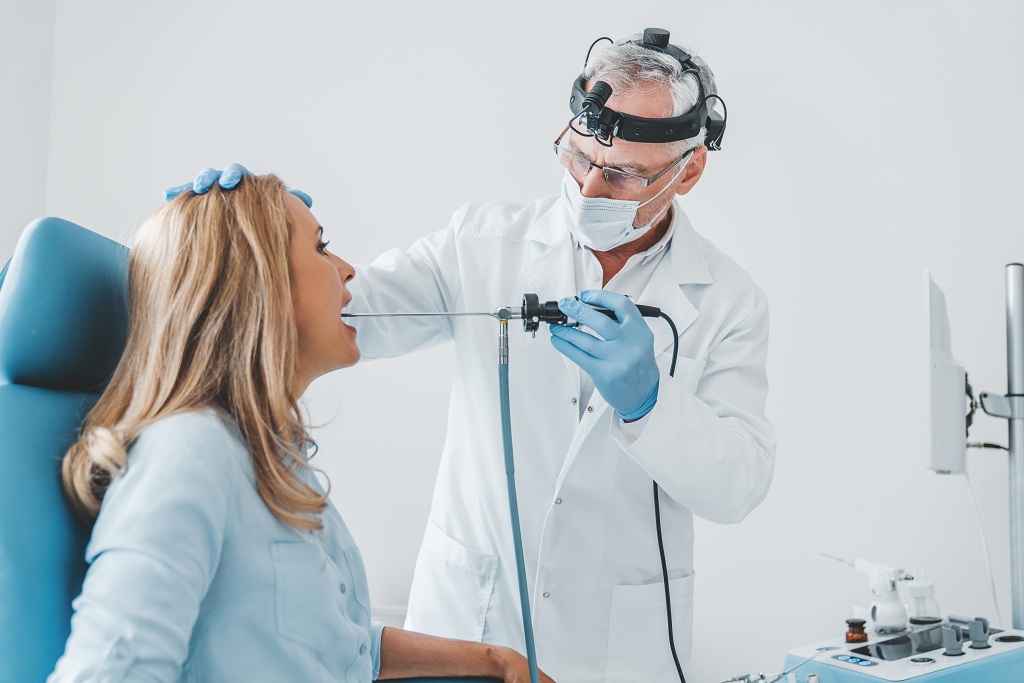
Young woman getting dental treatment.

The right treatment depends on the severity of your condition. Our dentists in Coolalinga assess each patient individually before recommending a plan.

Gum Disease Prevention and Home Care

Professional treatment works best when paired with consistent home care. Our team recommends:

  • Brushing twice daily with a soft-bristle toothbrush
  • Flossing once daily to remove plaque between teeth
  • Using an antibacterial mouthwash as directed by your dentist
  • Staying hydrated to maintain saliva flow
  • Attending regular dental check-ups every six months

Avoid self-treating with unverified remedies. If you want to add supplements or natural products to your routine, discuss it with your dentist first.

Coolalinga Dentist

Gum Disease Maintenance Appointments with Acacia

We understand how heart-rending gum disease can be. Nevertheless, there is some good news in the sense that recovery is possible. That is why we offer comprehensive gum disease treatment explicitly tailored to your needs.

Our dedicated professionals provide a supportive and caring environment to ensure a successful recovery. If you want to maintain healthy teeth and gums and look for Periodontal Diagnostic in Coolalinga, Darwin, Palmerston, Humpty doo, Howard Springs, Acacia is your perfect choice!

Take the first step towards total gum health today by scheduling an appointment at Acacia Dental Surgery Clinic.
Act now and take back control of your oral health!

Dental Costs for Gum Disease

When it comes to the cost of gum disease treatment, the total expense depends on the severity of the condition.
Non-surgical periodontal treatment cost is typically less than gum surgery, such as grafting. If you want cosmetic dentistry gum recession treatment, this could add extra fees to your total bill.
Gum recession surgery costs in Australia vary depending on the extent of the recession, with some procedures costing upwards of thousands of dollars.

Do you want a flexible payment method for gum disease treatment?
There is nothing to worry about. We have got your back! With our payment plans in Acacia Dental Surgery Care, you can easily manage your dental treatment costs. Check out our payment plan methods and learn more about them.
You can also use your dental insurance to decrease the cost of gum surgery and treatments.
Acacia Dental Surgery, a preferred provider with many major health funds in Australia, is here to offer you an exclusive offer on dental treatments.

Benefit from Medical Insurances in Acacia Dental Surgery

You can also use your dental insurance to decrease the cost of gum surgery and treatments.

Acacia Dental Surgery, a preferred provider with many major health funds in Australia, is here to offer you an exclusive offer on dental treatments.

We Are Preferred Providers For​​

Smile

*By utilizing the health funds mentioned above, you are able to access your rebate after receiving treatment, while you can also benefit from up to two free treatments per year (look up your health fund website to see what these treatments are).

We Help You Dazzle Your Friends With a Brighter Smile!

Having properly aligned teeth is one thing; having white and pearly teeth is different in aesthetics. Many home remedies and over-the-counter whitening treatments from social media promise great results to whiten teeth naturally, but only at Acacia Clinic will you find a near-permanent, most effective teeth whitening treatment. So be careful not to fall victim to fake teeth whitening magic solution advertisements!
We are offering teeth whitening in Australia. If you are looking for dental whitening services in Coolalinga, Darwin, Palmerston, Humpty doo, or the Howard Springs area, give us a call.

Frequently Asked Questions

Most people notice gum disease before they feel any pain. Catching these signs early keeps treatment simple.

  • Gums that bleed when you brush or floss
  • Redness, puffiness, or swelling along the gum line
  • Persistent bad breath that does not resolve with brushing
  • Gums that feel tender when touched
  • A sour or unpleasant taste that stays in your mouth

The earlier you act, the less invasive treatment you will need.

Recovery time depends on the type of treatment you receive. After scaling and root planing, most patients experience mild sensitivity and gum soreness for two to seven days. You will notice improvement in gum colour and reduced bleeding within two to four weeks as the tissue heals.

Surgical periodontal treatment requires a longer recovery. Soft foods, restricted brushing near the surgical site, and a course of antibiotics are common post-treatment instructions. Most patients return to normal daily activities within one to two weeks, though full healing after bone or gum grafting takes several months.

Smoking makes gum disease harder to treat and easier to develop. The effects on your treatment outcomes are significant.

  • Smoking reduces blood flow to the gums, slowing healing after any procedure
  • It masks key symptoms like bleeding gums, making disease harder to detect early
  • Tobacco use increases pocket depth and bone loss compared to non-smokers
  • Smokers have a higher rate of treatment failure, including after implant placement
  • Quitting smoking before treatment measurably improves healing and long-term results

If you smoke and need periodontal treatment, your dentist will factor this into your plan and discuss the impact on your recovery.

Yes, and it is strongly recommended. Hormonal changes during pregnancy increase the risk of pregnancy gingivitis, marked by swollen, bleeding gums. Left untreated, gum disease during pregnancy has been associated with preterm birth and low birth weight in some studies.

The second trimester is generally the safest window for dental treatment. Acacia Dental Surgery assesses each pregnant patient individually and uses safe, appropriate approaches. Always inform your dentist about your pregnancy before any appointment.

Not every patient with gum disease needs surgery. The decision depends on how far the condition has progressed.

  • Non-surgical treatment such as scaling and root planing is the starting point for most patients
  • Surgery is considered when pockets remain deeper than 5 to 6mm after non-surgical treatment
  • Significant bone loss or severe gum recession that scaling cannot address warrants a surgical review
  • Flap surgery, bone grafts, and gum grafts each target specific clinical outcomes

Your dentist will reassess your condition after initial treatment before recommending any surgical option.

Yes, what you eat directly affects how your gums respond to bacteria and infection. Diets high in sugar and refined carbohydrates feed the bacteria responsible for plaque formation. Vitamin C deficiency has also been linked to gum tissue breakdown and reduced resistance to infection.

A diet rich in leafy greens, lean proteins, dairy, and water supports gum tissue integrity and immune function. Staying well hydrated maintains saliva flow, which is your mouth’s natural defence against bacterial overgrowth.

Gingivitis and periodontitis are two distinct stages of the same disease. Knowing the difference helps you understand how urgent your situation is.

  • Gingivitis is inflammation limited to the gum tissue and is fully reversible with professional cleaning
  • Periodontitis means the infection has reached the bone and the structures that hold your teeth in place
  • Pocket depth over 4mm typically signals the transition from gingivitis to periodontitis
  • Bone loss from periodontitis is not reversible, though its progression can be stopped with treatment

Getting assessed and treated at the gingivitis stage protects you from the more complex care needed for periodontitis.

Gum disease in children is less common than in adults but does occur. Gingivitis is the most frequent form seen in young patients, often caused by inconsistent brushing around orthodontic brackets or erupting teeth. In rare cases, children develop more aggressive forms of periodontitis that progress quickly, particularly if an underlying health condition affects their immune response.

Regular dental check-ups allow early detection of any gum changes. Teaching proper brushing and flossing from a young age significantly reduces the risk of gum disease developing as they get older.

Research consistently links untreated gum disease to a higher risk of cardiovascular problems. The connection is well-supported in clinical literature.

  • Bacteria from infected gums enter the bloodstream and trigger systemic inflammation
  • This inflammation contributes to arterial plaque buildup over time
  • People with untreated periodontitis have a measurably higher risk of heart attack and stroke
  • Treating gum disease has been shown to reduce inflammatory markers in the body

Managing your periodontal health is a direct investment in your overall health, not just your teeth.

Ongoing dental visits are essential for long-term periodontal health. After active treatment, bacteria begin to reform in gum pockets within months. Regular maintenance appointments allow your dentist to clean areas home brushing cannot reach and monitor any changes in pocket depth or bone levels.

Most patients with a history of periodontitis attend maintenance visits every three to four months rather than the standard six-month schedule. These appointments are shorter than treatment sessions but are critical to preventing relapse.