

If you have been putting off a dentist visit and wondering whether it really matters, here is the short answer: most people need to see a dentist every six months. That simple rule of thumb has stood the test of time because it strikes the right balance between catching problems early and not over-servicing a healthy mouth. The catch is that “most people” is doing a lot of work in that sentence. Your ideal check-up frequency depends on your risk factors, your habits, and sometimes your age.
At Acacia Dental Surgery in Coolalinga, NT, we see the full spectrum, from patients who can comfortably stretch to yearly visits to those who genuinely need to come in every three months. Here is how to work out where you sit, and how to make your next dentist visit as easy as possible.
Is Once a Year Enough?

For a small group of low-risk adults, yes. If you have healthy gums, no history of decay, do not smoke, and brush and floss properly, your dentist may be comfortable stretching the gap between visits. For most Australians, though, six-monthly check-ups remain the standard advice, and the numbers back this up.
According to the Australian Institute of Health and Welfare, only around half (53%) of Australians aged 15 and over saw a dental professional in the 12 months to 2023-24 (AIHW, updated November 2025). That means roughly one in two people risk letting small issues, such as early decay or gum inflammation, go unnoticed until they become painful and far more expensive to treat.
Who Needs to Visit More Often? An Australia-Specific Risk Breakdown
Some groups benefit from more frequent check-ups, often every three to four months. It is worth asking your dentist about a tailored schedule if any of these apply to you:
- Smokers and vapers, who face a higher risk of gum disease and oral cancer
- People living with diabetes, since high blood sugar can affect gum health and healing (read more about dental treatment for diabetic patients)
- Pregnant women, due to hormonal changes that increase the risk of gingivitis
- Anyone wearing braces or Invisalign, who need extra monitoring to keep treatment on track
- Children, particularly while their brushing habits and adult teeth are still developing
Our preventive dentistry team can help map out a schedule based on your actual risk level rather than a one-size-fits-all rule.
How to Prepare for a Dentist Visit
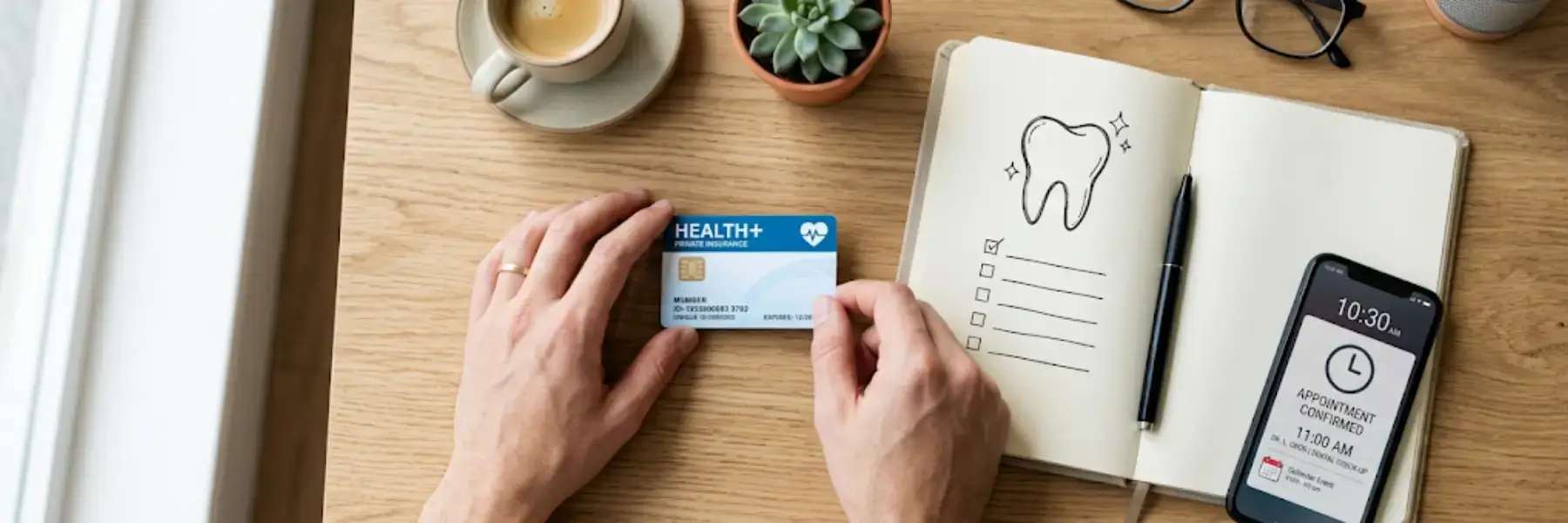
A little preparation makes any dentist visit faster, calmer, and more useful. Before you arrive, it helps to:
- Bring your private health fund card or Medicare details, including Child Dental Benefits Schedule eligibility if relevant
- Write down any pain, sensitivity, or changes you have noticed, even minor ones
- List current medications and health conditions that might affect treatment
- Arrive ten minutes early to complete paperwork without feeling rushed
- Avoid a heavy meal beforehand if you are due for an X-ray or a longer clean
Most private health funds, including Medibank and HCF, cover at least part of a routine check-up, and many of our patients claim their rebate on the spot. If you are unsure what you are covered for, our team can check this before your appointment, or you can read more about our options for bulk billing dentists in Darwin.
What About a Child’s First Visit to the Dentist?
Parents often ask when to book a child’s first visit to the dentist. The Australian Dental Association recommends doing this by your child’s first birthday, or within six months of their first tooth appearing, whichever comes first (Australian Dental Association NSW, 2025). It might sound early, but these visits are gentle, play-based, and mostly about getting your child comfortable with the dental chair rather than any actual treatment. Starting early genuinely reduces dental anxiety later on, something every parent juggling school runs across Coolalinga, Palmerston, and Humpty Doo will appreciate.
Our kids’ dentistry team makes a child’s first visit as relaxed as possible, and many families are eligible for the Child Dental Benefits Schedule, which can cover routine check-ups at no out-of-pocket cost.
Signs You Should See a Dentist Sooner
Regardless of your usual schedule, book an earlier appointment if you notice:
- Persistent bad breath or a strange, lingering taste
- Bleeding or swollen gums, even if it only happens when you brush
- Sensitivity to hot, cold, or sweet foods
- A visible chip, crack, or colour change in a tooth
- Jaw pain, clicking, or signs of grinding (our guide on how dental issues affect your overall health explains why these are worth acting on quickly)
Booking Your Next Check-Up

Whether you are due for a routine clean, returning after a long gap, or booking your child in for the first time, the team at Acacia Dental Surgery in Coolalinga is ready to help. We accept most major health funds, offer flexible payment plans, and will talk you through exactly what to expect before you arrive. Get in touch or book your appointment online today; your future smile will thank you.
FAQs
Is once a year enough for a dental check-up? For very low-risk adults with excellent oral hygiene, yearly visits may be enough, but most dentists still recommend six-monthly check-ups to catch decay or gum disease early, before treatment becomes more invasive or costly.
How should I prepare for a dentist visit? Bring your health fund card, a list of current medications, and any concerns written down beforehand. Arriving a few minutes early and avoiding a heavy meal before an X-ray also helps the appointment run smoothly.
When should my child have their first dental visit? The Australian Dental Association recommends booking your child’s first dental visit by their first birthday, or within six months of their first tooth appearing, whichever happens first.