Expert Dental Crown Treatment for Damaged or Weakened Teeth

Do not settle for an imperfect smile! Let Acacia Dental Surgery provide you with a dental crown that looks and feels like new.

Welcome to the world of beautiful and healthy smiles, where cosmetic dentistry crowns cost you nothing but naturalness and pride. If you are looking for a dental crown after root canal treatment or a temporary crown to improve your oral health, you are in the right place!

A Crown Does More Than Restore a Tooth. It Protects Your Entire Bite

Curious about what is a dental crown? A dental crown is a custom-fitted cap permanently placed over the entire visible portion of a tooth from the gumline upward. It fully covers a damaged tooth to restore shape, strength and function. While crowns restore appearance, their role goes beyond aesthetics. By fully covering the tooth, a crown helps distribute biting forces more evenly, reduces fracture risk, prevents surrounding teeth from shifting, and supports long-term oral function.

Crowns are made from carefully selected materials based on the location and needs of the tooth. Front teeth often require highly aesthetic materials that match natural enamel. Back teeth need stronger materials built to handle heavy chewing forces. Choosing the right crown requires balancing appearance, durability and function, which is why a detailed assessment guides the treatment plan.

You may not need a crown for every tooth problem — but in these situations, it is usually the most protective long-term option your dentist can offer:

  • A cavity so large that a filling would occupy most of the tooth’s remaining structure, leaving the walls thin and prone to fracture
  • A tooth that has cracked toward the root, causing sharp pain when you bite down or release pressure
  • A tooth that has just had root canal treatment — now hollow, it is significantly more vulnerable to splitting without a crown over it
  • A molar worn flat by years of grinding (bruxism), making it harder to chew efficiently and increasing fracture risk
  • An old crown that has cracked, come loose, or developed decay at the margin where it meets the natural tooth
  • A dental implant that needs a crown to function and look like a natural tooth
  • A tooth so discoloured or misshapen that veneers alone cannot provide the coverage needed for a satisfying result

If you are not certain your tooth qualifies, the only reliable answer is a proper clinical examination — not a symptom checklist online.

Seven Situations Where a Crown Is the Smartest Fix

dental crown procedure

Choosing the Right Crown for Your Tooth

The four main crown materials each have a proper place in clinical practice. The right choice for you depends on where the tooth sits in your mouth, the forces it needs to handle, and what you want it to look like.

Currently the most requested material for patients who want both strength and aesthetics. Zirconia is stronger than porcelain, more biocompatible than metal, and milled to a precise fit from a digital scan. The result is a crown that performs under heavy load and disappears into your smile.

Porcelain crowns achieve an unmatched natural translucency that closely mimics the way light passes through real tooth enamel. This makes them the preferred choice for upper front teeth where shade nuance and surface character matter most.

A reliable and well-established option — metal substructure for strength, porcelain overlay for appearance. PFM crowns are well suited to back teeth where both durability and a natural look are needed, and where zirconia is not required.

Clinically outstanding, even if unfashionable to some patients. Metal crowns require the least tooth reduction of any crown type, cause minimal wear to the opposing tooth, and routinely outlast all alternatives by years. The clear choice for hidden back molars where longevity matters more than appearance.

Two Appointments, One Restored Tooth

01
Visit 1 — Shaping the tooth and capturing the impression

We start with a local anaesthetic — you will feel nothing during the reshaping process. The tooth is carefully trimmed to create precise room for the crown, with the amount of reduction depending on the material chosen and the tooth's current condition. A digital scan or physical impression is taken and sent to our dental laboratory. Before you leave, a temporary crown is fitted to protect the tooth and maintain normal function while your permanent restoration is being crafted.

01
02
Visit 2 — Fitting and cementing the final crown

When the custom crown arrives from the laboratory, it is carefully checked against the prepared tooth for fit, bite alignment, and colour match. Only when everything is correct is it permanently cemented into place. Most patients notice the restored tooth feels natural within a day or two.

If a tooth needs root canal treatment before a crown, this is completed first as a separate step. Your dentist explains the full treatment sequence during the initial consultation so you know what to expect at each stage.

02

Tooth Cap vs. Crown

A dental crown is often used to completely encase the existing tooth structure, while a tooth cap or onlay is used to cover the tooth partially. Dental crowns are often used to restore a broken or weakened tooth’s shape, strength, and appearance, while a tooth cap or onlay is typically used to repair only one surface of a damaged tooth.

Crowns vs. Dental Bridge

Crowns are caps placed on top of a damaged or decayed tooth to improve its appearance and strength. Bridges, on the other hand, are used when a tooth is missing and is anchored by using two or more crowns on the adjacent teeth.

Resin Crown vs. Porcelain

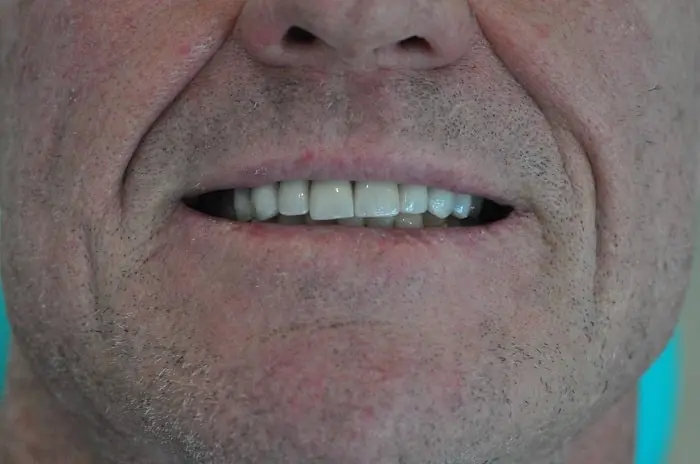
Both are used in cosmetic dentistry but differ in many ways. Ceramic teeth (porcelain) typically look more natural than resin crowns. They are more durable and last longer, making them the ideal choice for cosmetic dentistry crowns for front teeth. Resin does not have the same level of durability as cosmetic dentistry crowns before and after effects.

Dental Crown Pros & Risks​

Dental Crown Pros & Risks

Dental crowns offer numerous advantages for damaged teeth. Still, before beginning the procedure, it is essential to be aware of the potential drawbacks.

Pros

  • Can improve the appearance of a tooth
  • Prevents further damage to a weakened or cracked tooth
  • Mimics the natural look of a tooth

Cons:

  • Require two visits to the dentist
  • Can weaken a healthy tooth if not correctly assessed
  • May not last as long as expected
    Expensive treatment option

What Changes After a Dental Crown and What Remains the Same

What improves after a crown:

  • Chewing function on the affected tooth returns to normal once any post-procedure tenderness settles
  • Pain or sensitivity when biting is eliminated — the crown removes the mechanical trigger causing discomfort
  • The tooth is fully protected against splitting or fracturing under load
  • Appearance can be significantly improved — shade, shape, and symmetry can all be corrected
  • Neighbouring teeth are no longer at risk of drifting or taking on uneven load
Ceramic crowns after

What does not change:

  • You still need to brush and floss daily — decay can develop beneath a crown if plaque builds up at the margin
  • If you grind your teeth, a night guard is still important — even zirconia is not immune to bruxism forces
  • Regular six-monthly check-ups remain necessary — your dentist needs to monitor the crown margin and surrounding gum tissue
  • The prepared tooth underneath is permanently altered — that commitment is irreversible, which is why the diagnosis needs to be right

A crown placed today should still be serving you 10 to 15 years from now, but that lifespan is not automatic. A few consistent habits make the real difference:

  • Brush along the gumline at the crown margin – This is where plaque accumulates and where decay beneath the crown typically begins
  • Floss past the crown daily, not just around it – The contact point between adjacent teeth needs cleaning from the inside out
  • If you grind at night, wear your custom night guard consistently – A well-fitted guard is far cheaper than replacing a crown
  • Avoid using your teeth as tools – Bottle caps, packaging, and fingernails all apply unpredictable lateral forces that can chip the crown
  • Keep your six-monthly check-up appointments – A loose crown margin caught early is a straightforward fix. One that has been loose for months is a different problem

Decay can still develop beneath a crown if oral hygiene slips, particularly at the margin where the crown meets the tooth.

Small Habits That Add Years to Your Crown's Life

Benefit from Dental Insurances in Acacia

As a dental clinic, we want to inform you that some private health funds have developed their own network of Preferred Providers or Members Providers or Members Choice Providers, which include BUPA (MBF & HBA are now part of this group) and Medibank Private.

Acacia Dental Surgery has been chosen as a preferred provider by many of Australia’s health funds, meaning you can enjoy maximum savings on your dental treatments.

We Are Preferred Providers For​​

Smile

*By utilizing the health funds mentioned above, you are able to access your rebate after receiving treatment, while you can also benefit from up to two free treatments per year (look up your health fund website to see what these treatments are).

Frequently Asked Questions​

No, dental crowns are not painful. The procedure for placing a dental crown is typically minimally invasive, and patients may experience only minor discomfort during the process. There may be some tightness or tenderness in the gums around the area where the crown was placed, but it usually subsides after a day or two, requiring a dental crown aftercare.

The crown itself — the visible cap — can look and function identically in both cases. The key differences lie in what it is attached to and how it is fitted.

  • A crown on a natural tooth is cemented over the reshaped tooth structure, using the existing root for support
  • An implant crown attaches to a titanium post (the implant) that has integrated with the jawbone — there is no natural root underneath
  • Implant crowns connect via a small component called an abutment, which is either screwed or cemented to the implant post
  • Because implants do not flex the way natural tooth roots do, implant crowns are sometimes made from slightly harder materials to handle the difference in load distribution
  • The implant must be fully integrated with the jaw bone before the crown is placed — this healing period can take three to six months after implant surgery

Both can produce a natural-looking, fully functional result. Your dentist will advise on which path is appropriate once your full clinical picture is assessed.

The time a dentist warranties a crown depends on the type of crown used. Most crowns typically have a warranty of 1-5 years. Some types of porcelain or gold crowns may be backed by a warranty of 5-15 years.

If a dental crown comes off, it can be re-cemented back in place. In most cases, the dental crown can be re-cemented with cement designed explicitly for crowns.

A broken crown is not necessarily a dental crown emergency, but if it is causing pain or any other symptoms, it should be addressed promptly. Look for “dental crown emergency near me” and visit a dentist as soon as possible.

Pain is a late signal — by the time a damaged tooth hurts, the problem has often been developing for months.

  • A cracked tooth may feel fine until the crack extends toward the pulp or root — at that point, a crown alone may no longer be sufficient to save it
  • Large cavities often produce no symptoms until decay reaches the nerve, turning a straightforward crown into a root canal case
  • A tooth with a large old filling can fracture under normal chewing pressure with no prior warning — a crown prevents the fracture before it occurs
  • Post-root canal teeth feel nothing (the nerve has been removed), but without a crown they are structurally fragile and can split unpredictably
  • A fracture that reaches below the gumline usually means the tooth cannot be saved — it needs extracting

Acting on a crown recommendation while the tooth is still comfortable gives your dentist the best chance of a clean, straightforward outcome.

Yes, a crown is still viable for patients with bruxism — but grinding needs to be managed alongside it, not ignored. Grinding exerts forces on your teeth that are far greater than normal chewing, sometimes three to five times higher. While zirconia and metal crowns are the most resistant materials for grinding patients, no crown material is entirely immune to sustained bruxism forces. Without protection, even a well-made crown can chip, develop marginal cracks, or accelerate wear on the opposing teeth.

The most effective solution is a custom-fitted night guard worn during sleep. At Acacia Dental Surgery, we can fabricate a night guard to protect both the crown and the rest of your dentition. It is a comparatively small investment against the cost of replacing a crown prematurely. If you grind, make sure you mention it at your consultation — it directly influences material selection and the long-term management plan.

A mild sense of height immediately after crown placement is relatively common — but it should not persist beyond a few days.

  • Patients are often hyper-aware of any change after a crown is placed — even a very minor height difference can feel significant initially
  • If the raised sensation is mild and fades within 24 to 48 hours, it usually resolves as your bite re-adapts
  • If the crown still feels high after three to four days, or if biting is causing pain, contact us — the bite needs to be adjusted
  • An uncorrected high crown can cause soreness in the tooth’s supporting ligament, jaw muscle fatigue, and referred headaches if left too long
  • A bite adjustment is a quick and simple appointment — your dentist removes a small amount of material from the biting surface until the bite feels even

Do not wait for discomfort to resolve on its own if it has not improved after a few days. Call us on (08) 8983 2780 and we will sort it quickly.

Several signs indicate a crown is nearing the end of its useful life. Visible chipping or cracking of the crown material, darkening of the gum tissue at the crown margin (which can indicate decay or metal oxidation from a PFM crown), and a crown that feels loose or shifts when you bite are all clear indicators. Temperature or pressure sensitivity from a crowned tooth — even if the nerve was treated during root canal work — can also point to decay developing beneath the crown where the seal has failed.

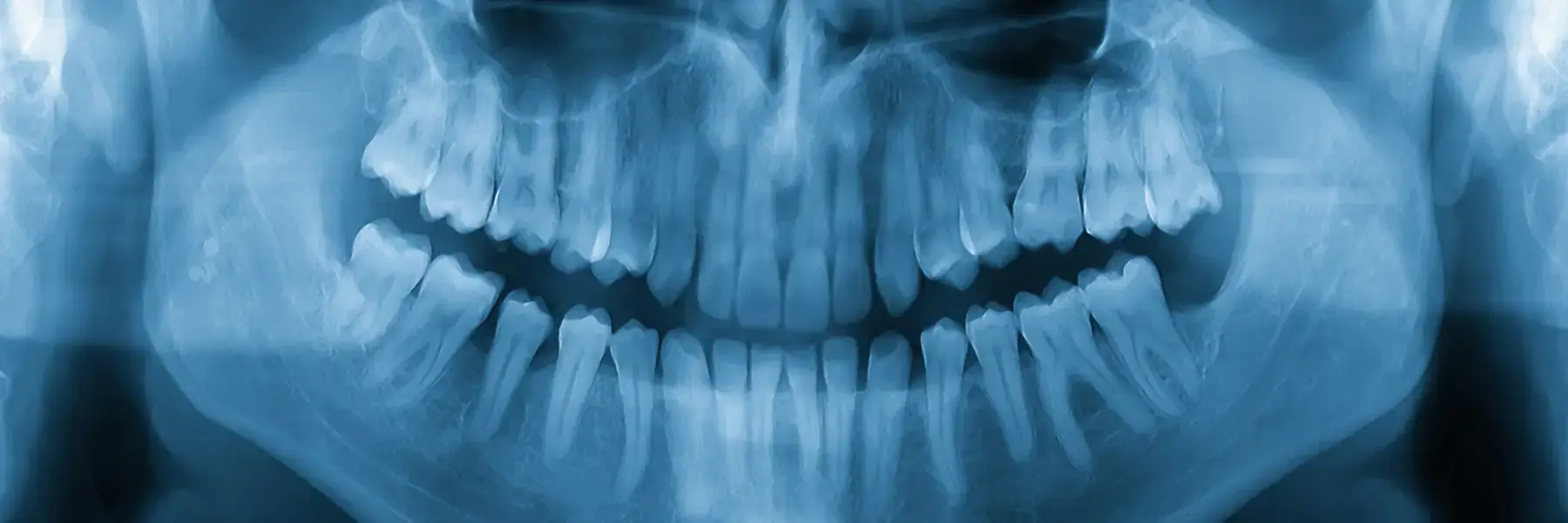
Not all deterioration is visible to the patient, which is why regular check-ups matter. X-rays taken at your routine appointments allow your dentist to examine what is happening beneath and around the crown before you feel any symptoms. Catching a failing crown margin early means addressing it on your terms. Waiting until a broken crown becomes an emergency makes both the clinical and cost outcome considerably worse.

In most cases, a tooth with a large old filling can be saved with a crown — but a clinical examination is needed to confirm the remaining tooth structure is viable.

  • A crown requires sufficient healthy tooth structure to bond to and support — your dentist assesses how much usable structure remains
  • X-rays will check for decay beneath the old filling and any cracks extending into the root that are not visible to the naked eye
  • If the remaining tooth walls are very thin, a core build-up (a reinforcing fill) may be placed first to create a stable base for the crown
  • If the nerve has been reached by the depth of the decay or filling, root canal treatment will be needed before crown placement
  • Only where a root fracture is confirmed, or where the tooth has cracked below the gumline, does extraction become the likely recommendation

The goal at Acacia Dental Surgery is always to preserve the natural tooth if it is clinically viable. You will receive a frank assessment of the tooth’s prognosis — including realistic expectations for how long the crown can be expected to last.

Do I Need a Crown?

If you are unsure whether or not you need a dental crown, do not wait any longer to find out! The time to act is now!

Get Acacia Dental Surgery crown service today and feel confident that your smile will be healthy and beautiful!

Looking for a high-quality Dental Crown in Coolalinga, Darwin, Palmerston, Humpty doo, or Howard Springs? Schedule an appointment with us. At Acacia Dental Surgery Care, Your smile is our top priority!