

Most people brush every morning, but far fewer floss daily. Fewer still do either correctly. Using dental floss once a day and brushing twice a day with the right brushing technique makes a measurable difference to your long-term oral health. This guide walks you through the exact steps for both, explains whether to brush before or after breakfast, and gives you an oral hygiene routine that works.
Why Do Brushing and Dental Floss Both Matter?
Good brushing removes plaque from the visible surfaces of your teeth. Daily dental floss use removes plaque from the tight spaces between them, areas your toothbrush cannot reach. Left alone, that plaque produces acids that erode enamel and inflame gums. Over time, this leads to tooth decay and gum disease.
Plaque is a sticky bacterial film that reforms on teeth within hours of cleaning. The goal of your daily routine is to disrupt this film consistently before it can cause damage. That means brushing twice a day for two full minutes and cleaning between teeth at least once. Professional check-ups and cleans with your general dentistry team at Acacia Dental Surgery round out the rest.
Should You Brush Your Teeth Before or After Breakfast?
Brush before breakfast, not after. During sleep, saliva production slows significantly and bacteria multiply on your teeth and gums. Brushing first thing removes that overnight build-up, boosts saliva production, and coats your enamel with fluoride before food and drink make contact with it. That fluoride layer helps protect your teeth against the acids in breakfast foods and drinks.
If brushing before eating does not fit your routine, you can brush after breakfast, but wait at least 30 minutes first. Acidic foods and drinks, including orange juice and coffee, temporarily soften enamel. Brushing too soon can wear that softened layer away. While you wait, rinsing with water helps clear food residue from your tooth surfaces.
Before is better. After is still fine with the right timing.
How Do You Brush Your Teeth Correctly?
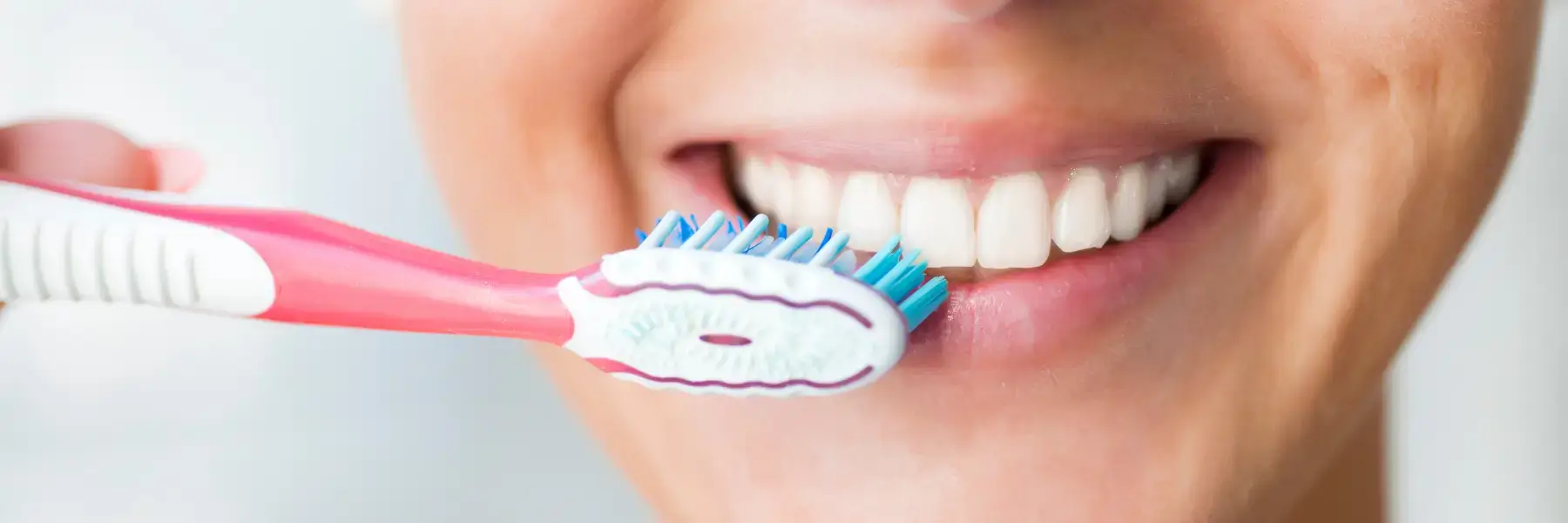
Hold your toothbrush at a 45-degree angle toward the gumline. Use short circular strokes or small back-and-forth strokes across each tooth surface. Cover the outer faces, the inner faces, and the chewing surfaces of every tooth. Brushing each of the four corners of your mouth for about 30 seconds reaches the two-minute total the Australian Dental Association recommends.
A few key points make a real difference. Choose a soft-bristled brush, as hard bristles can wear enamel without cleaning better. Use a pea-sized amount of fluoride toothpaste, and only a smear for children under three. Spit after brushing but do not rinse immediately, because the fluoride needs a few minutes to continue protecting the enamel. Replace your toothbrush every three months, or earlier if the bristles splay outward.
Electric toothbrushes are worth trying if you find it hard to maintain the correct pressure or timing for the full two minutes. Hold it at 45 degrees toward the gumline and let the mechanism do the work. Many models include built-in timers and pressure sensors, which take the guesswork out of your routine.
How to Dental Floss Properly: Step by Step
Floss before brushing. The Australian Dental Association recommends this order because flossing first dislodges food and bacteria from between the teeth, and your toothbrush then sweeps them away. Clean between your teeth at least once a day. Most people find it easiest to do this before their evening brush.
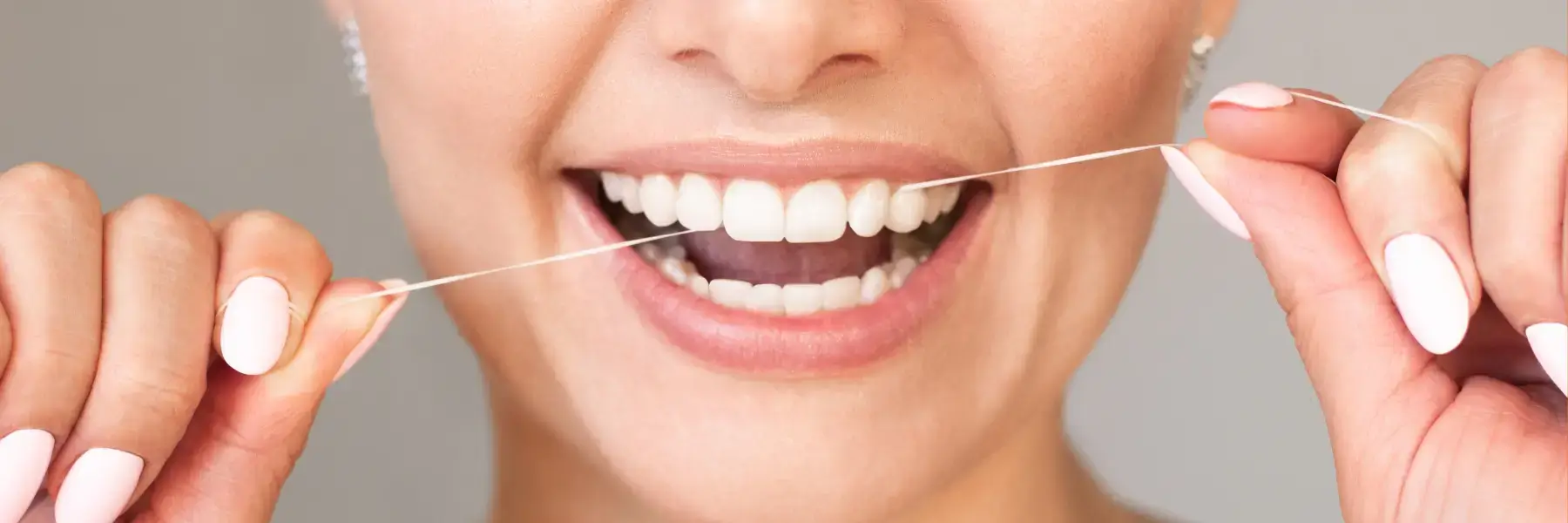
Here is how to dental floss properly:
- Break off 30 to 45 centimetres of dental floss.
- Wind most of it around the middle fingers of each hand, leaving about 5 to 8 centimetres to work with.
- Hold that section taut between your thumbs and index fingers.
- Gently guide the floss between two teeth with a soft back-and-forth sawing motion, and do not snap it down into the gums.
- At the gumline, curve the floss into a C-shape against one tooth.
- Slide it up and down along the side of that tooth, reaching slightly under the gum tissue, then repeat on the neighbouring tooth.
- Move to a fresh section of floss before going to the next gap.
Work your way around the whole mouth, including behind the back molars. That is the area most people skip, and it is where plaque builds up quickly.
What Type of Dental Floss Should You Use?
Standard dental floss comes in waxed and unwaxed versions. Waxed floss slides through tight spaces more easily. Unwaxed floss fits snugly and some people feel it grips tooth surfaces better. Both do the same job well. What matters is using one consistently.
If traditional string floss is difficult to handle, try a flossette. A flossette is a small plastic pick with a piece of dental floss stretched between two prongs, giving you a handle to work with. This option suits children and adults with limited dexterity. Interdental brushes are another alternative and work well for wider gaps and people with braces. Water flossers can be a helpful addition for people with implants or orthodontic work. Most dental guidance treats water flossers as a supplement to traditional dental floss, not a replacement, because string floss makes direct contact with tooth surfaces and can reach below the gumline in ways a water stream alone cannot.
The best type of floss is the one you will use every day. Ask your dentist if you are unsure which fits your teeth.
How Often Should You Brush and Floss?
Brush twice a day for two minutes each time, once in the morning and once before bed. Use dental floss once a day, ideally before your night brush. Do not eat or drink anything other than water after your final brush of the evening. Saliva production drops overnight, which makes your mouth more vulnerable to bacterial activity while you sleep.
Your nighttime brush matters most. During the day, saliva rinses food away and neutralises acids between meals. At night, that protective effect largely switches off. Brushing and flossing before bed removes the day’s accumulated plaque and food before the overnight period when bacteria have the best conditions to cause damage.
Some people add a fluoride mouthwash to their routine. If you use one, rinse at a different time to brushing rather than immediately after it. Using mouthwash right after brushing washes away the fluoride your toothpaste just deposited on your teeth.
Children can start flossing as soon as two adjacent teeth touch, which often happens before age three. You will need to help them until they develop the fine motor control to manage it alone, usually around eight to ten. Eligible children aged 2 to 17 can access preventive dental services including check-ups and cleans through bulk billing dental care at Acacia Dental Surgery.
Frequently Asked Questions
Is it better to floss before or after brushing?
Floss before brushing. The Australian Dental Association recommends this because flossing first breaks up food and bacteria between your teeth, and brushing then removes them. Flossing after brushing still benefits your teeth. The most important thing is that you floss at all, ideally once a day.
Can I use a water flosser instead of dental floss?
A water flosser clears food debris and bacteria from between teeth and suits people with braces or dental implants. Current dental guidance recommends using it alongside traditional dental floss rather than as a replacement, because string floss contacts tooth surfaces more directly. It is a useful addition, not a full substitute.
Why do my gums bleed when I floss?
Bleeding gums during flossing usually signal gum inflammation from plaque build-up, not a reason to stop. Healthy gums do not bleed. Keep flossing daily and the bleeding typically eases within a week or two as the gum tissue recovers. Book a check-up with your dentist if bleeding continues after establishing a regular routine.
How long should I brush and does an electric toothbrush help?
Brush for two minutes per session, split into four 30-second quadrants: upper right, upper left, lower right, lower left. An electric toothbrush can help you hit the two-minute mark reliably. Many models include pressure sensors and built-in timers. The angle and coverage of your brushing matter just as much as whether your brush is manual or electric.
What happens if I skip flossing regularly?
Plaque accumulates between teeth and below the gumline. Over time it hardens into tartar that cannot be removed at home. Tartar build-up triggers gum inflammation and raises your risk of cavities in the spaces between teeth. Left unaddressed, this can progress to gum disease. A professional clean removes tartar and gives you a clean base to work from.
Ready to Build a Routine That Lasts?
A good daily routine is simple: brush twice, floss once, and see your dentist regularly. Those three habits give your teeth the consistent care they need to stay healthy.
Acacia Dental Surgery is based in Coolalinga, Darwin. The clinic serves patients from Palmerston, Humpty Doo, and communities throughout the NT. The team offers check-ups, professional teeth whitening, and a full range of preventive and cosmetic treatments. Preferred provider status with major health funds keeps your out-of-pocket costs low.
Call (08) 8983 2780 or email reception@acaciadental.com.au to book your next check-up.